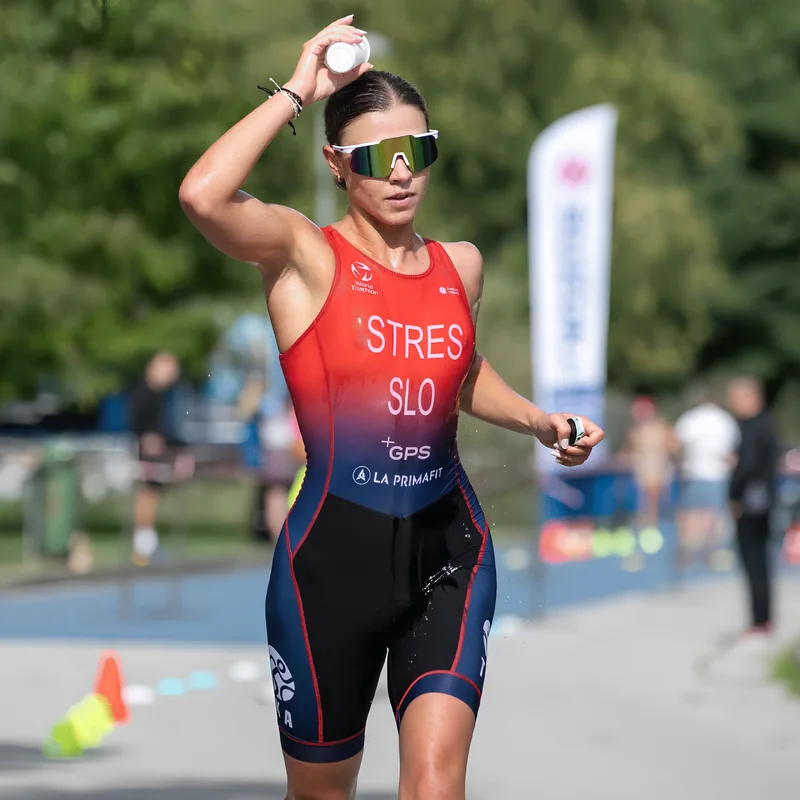
You remember the demanding set at the gym. You also know the effort of a long meeting, a difficult problem or a day that asks you to keep switching between tasks.
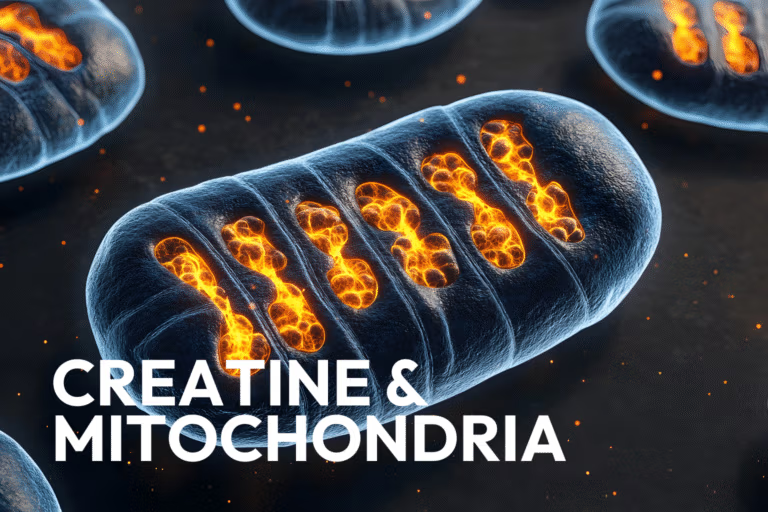
Muscles make their energy demands obvious. The brain’s demands are less visible, but they are part of the same wider story: cells need usable energy to do their work. That is one reason creatine research has become a conversation about more than sport.
The connection starts with energy
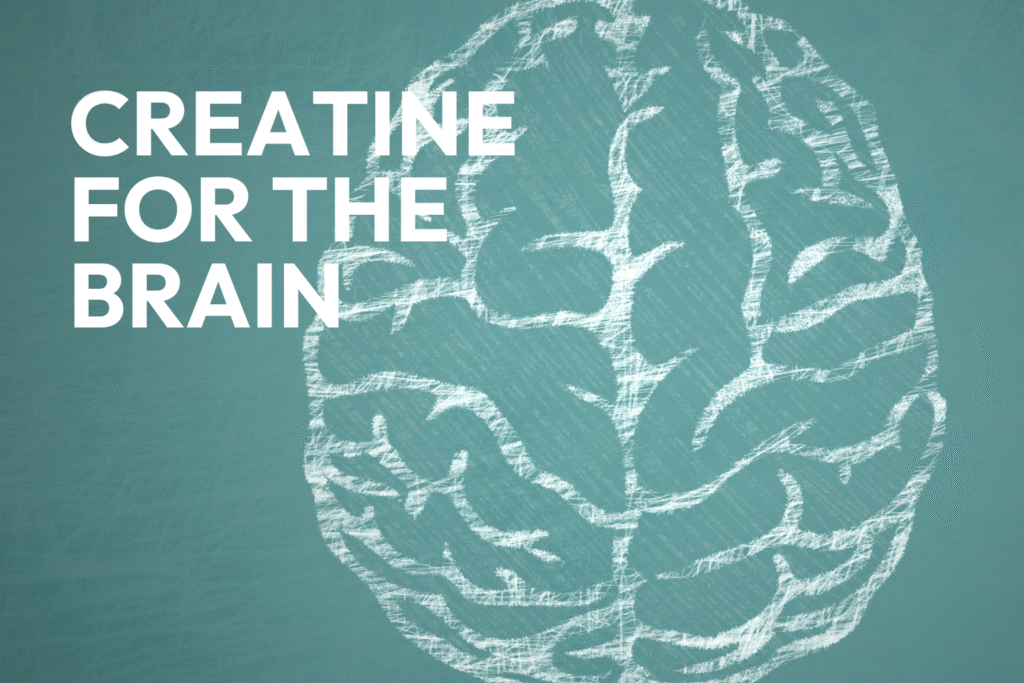
The brain uses the creatine–phosphocreatine system as part of its energy handling. A 2022 review brings together research on brain function and health, exploring why this biology could matter for cognitive performance. [1]
The question is compelling: can supporting a cellular energy system influence performance on a mental task? The answer needs human studies, not just a convincing diagram.
What researchers are finding
The review describes encouraging findings in some settings alongside mixed results overall. Studies differ in participants, creatine protocols and the tasks being tested. Contexts such as sleep deprivation, age and dietary patterns are part of the research conversation. [1]
A memory task, reaction-time test and a person’s feeling of focus are different outcomes. An improvement in one does not automatically establish all the others. The detail is what makes a finding useful.
The review also discusses clinical research, but this does not establish a retail supplement as treatment for concussion, brain injury or mood conditions. [1]
Bring the question back to your own day
When you say you want better focus, what would that look like? Finishing a piece of work without switching tabs? Remembering what you read? Feeling more organised when the day gets busy?
Choose a concrete description. It helps you spot whether an article answers your question or simply uses an appealing word. It also gives you a useful starting point for changes you can make in your working routine today.
- Name one task. Pick the part of your day you want to make easier to approach.
- Give it a clear start. Put the materials you need in one place and decide what “finished” means.
- Keep the context. Note when sleep, workload or an unusual day makes your experience different.
These are organisational ideas, not a test of whether creatine has changed your cognition. They help turn an interesting health topic into a more thoughtful daily routine.
Follow the science where it gets specific
One particularly interesting question is what happens during sleep loss. Our article on creatine and sleep deprivation explores a controlled study and why its conditions matter.
For the underlying mechanism, read Energy starts inside your cells. If you are considering creatine for your wider training routine, explore the QLEOS formula and serving instructions and make the choice with a clear goal in mind.
Sources & further reading
- Effects of Creatine Supplementation on Brain Function and Health. Forbes et al. Nutrients, 2022. Narrative review. doi:10.3390/nu14050921.
From the QLEOS Journal. We make supplements and explain the research behind the conversation. The studies cited here did not test the finished QLEOS product. This is general information, not personalised medical advice.